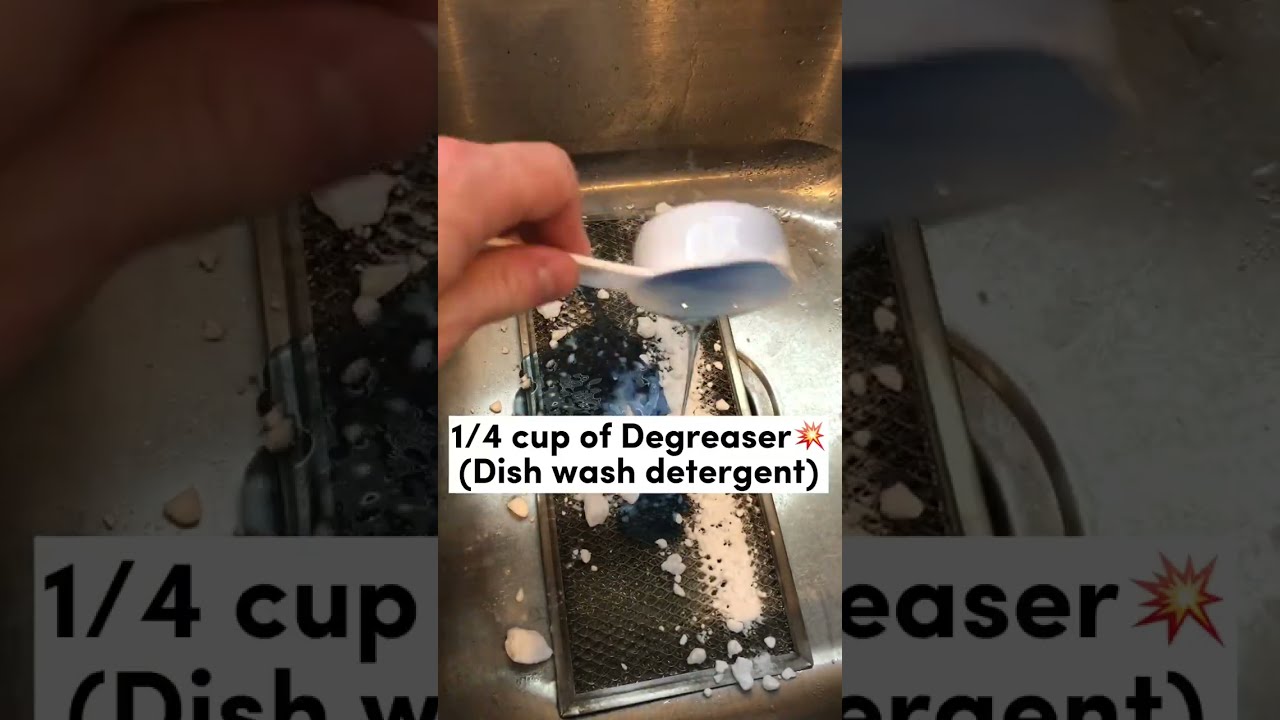
Every professional kitchen is a high-octane environment—a place of culinary magic, rapid movement, and intense heat. Yet, https://rentry.co/zwkvmbp4 beneath the aroma of fresh herbs and sizzling delights often lies a persistent, invisible enemy: excessive oil residue. This buildup isn't just an aesthetic nuisance; it's a significant safety hazard, a drain on equipment efficiency, and a constant threat to compliance. Dealing with this sticky, stubborn buildup can feel like trying to catch smoke with a net. But fear not. By understanding the chemistry of grease and adopting a multi-pronged approach, we can conquer this problem. This detailed guide explores the most effective, professional, and sustainable solutions for excessive oil residue in commercial kitchens, helping you move from reactive cleaning to proactive maintenance.

Understanding the Problem: Why Grease Builds Up
Before we can implement powerful solutions, we must first understand the enemy. Grease is not simply liquid oil; it is a complex mixture of fats, oils, starches, and proteins that solidify and stick to surfaces when they cool. When this residue accumulates, it forms a sticky, often impenetrable layer that affects everything from drainage pipes to ventilation hoods.
Identifying the Primary Sources of Residue
Where does all this sticky stuff come from? It's rarely just one place. Understanding the main sources is the first step in finding effective solutions for excessive oil residue in commercial kitchens.
- Extraction Systems: The primary culprit. Fryers, griddles, and deep fryers are designed to generate and manage oil, but residual oil mist and splatter are constantly being pulled into the ventilation system. Drainage Systems: Over time, food scraps and cooking oils combine in the drains, leading to blockages and the infamous "fatberg" situation. Cooking Equipment: The surfaces of flat-top grills, ovens, and range tops act like magnets for drippings, which solidify into hard-to-remove residue.
The Hidden Dangers of Neglect
The risks associated with excessive oil residue go far beyond just making the kitchen look dirty. These residues are a ticking clock for costly failures and safety breaches.
- Fire Hazard: Grease buildup in ventilation hoods and ducts is highly combustible. A spark, even a minor one, can ignite a massive fire. Equipment Failure: Thick layers of grease coat burners and motors, drastically reducing their efficiency. This means higher energy costs and premature equipment breakdown. Health and Compliance: Poorly maintained drainage and surfaces violate health codes and can harbor bacteria, posing a genuine risk to patrons and staff.
Operational Solutions: Preventing the Build-Up
The best solution is always prevention. Viewing cleaning as a mere reaction to disaster is like waiting for a leak to become a flood. We must integrate cleaning into the daily workflow.
Implementing Smart Daily Protocols
Routine is the backbone of a clean, safe kitchen. These protocols require buy-in from every single employee, treating cleanliness as a shared responsibility.
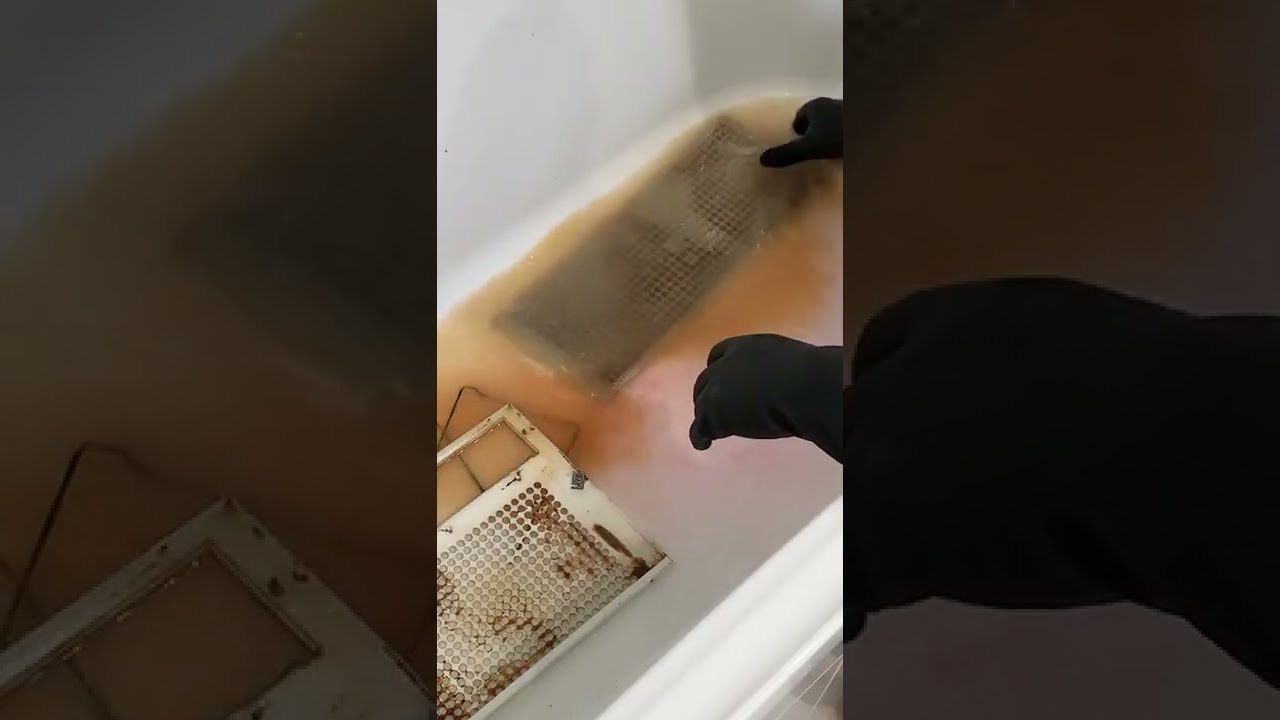
- Grease Trapping: Regularly skimming and disposing of visible grease from fryers and surfaces minimizes what enters the drain system. Immediate Spill Cleanup: Spills must be treated as immediate hazards. Allowing small drips to sit and cool is the moment the residue starts its life cycle. Staff Training: Staff should understand why they are cleaning. A quick training session detailing the fire risk of blocked filters can be more impactful than any chemical cleaner.
Upgrading Your Mechanical Defenses
Sometimes, the problem isn't the staff; it's the infrastructure. Outdated equipment simply cannot handle the modern volume and type of cooking residue.
- Advanced Filtration: Investing in high-efficiency, commercial-grade filters for ventilation hoods is paramount. These systems capture airborne particles before they coat the ductwork. Dedicated Disposal Units: Utilizing proper, commercial-grade grease interceptors (and ensuring they are professionally pumped regularly) is non-negotiable. Optimal Equipment Design: When replacing equipment, prioritize models designed with easy-to-clean, sloped surfaces that minimize pooling and residue formation.
Deep Cleaning and Chemical Interventions
When prevention fails, or when the residue has hardened into a geological layer, professional deep cleaning is required. This process moves beyond simple scrubbing and requires specialized chemistry.
Selecting the Right Cleaning Agents
The chemical arsenal for fighting grease is diverse, and using the wrong product is like trying to put out a fire with gasoline.
- Enzymatic Cleaners: These are biological solutions that use enzymes to break down complex organic matter (fats, proteins, starches) back into their basic, soluble components. They are highly effective and generally safe for plumbing. Caustic/Alkaline Cleaners: These use strong bases to saponify fats (turning them into soap) and break down protein residues. They are incredibly powerful but require careful handling and rinsing. Mechanical Scraping: No matter how good the chemical is, physical removal is often necessary. Heavy-duty scrapers and specialized industrial brushes are essential for breaking the initial bond between the grease and the surface.
Professional Deep Cleaning Protocols
The most effective solutions for excessive oil residue in commercial kitchens are often systematic and professional. A commercial cleaning service should execute a protocol that includes:
- System Shutdown and Isolation: The kitchen must be taken out of commission for the cleaning process to ensure safety and full access. Initial Hot Wash: Using high-pressure, hot water to soften and loosen the built-up residue. Targeted Application: Applying the specific chemical agent (enzymatic or caustic) directly to the affected area, allowing the dwell time necessary for the chemistry to work its magic. Thorough Rinse and Neutralization: A meticulous rinse to remove all chemical residues and return the surface to a neutral, safe state.
Sustaining Success: Making Maintenance a Habit
Achieving a spotless kitchen is not a one-time event; it is a continuous commitment. How do you make these principles stick?
Consider the story of Chef Martinez, who ran a beautiful Italian restaurant. For years, he thought the deep-cleaning was enough. One day, his plumbing started failing, and he realized the problem wasn't just the deep clean, but the small, cumulative neglect between services. He shifted his focus, implementing mandatory "drain watch" stations and ensuring staff were trained on the proper disposal of all oil. It was a shift in mindset, not just equipment.
As the industry expert once noted, "Prevention is cheaper, safer, and infinitely more satisfying than remediation."
Are you treating your kitchen's residue buildup like a minor drip, or are you recognizing it as a systemic failure waiting to happen? By integrating rigorous daily protocols, investing in modern, protective equipment, and knowing when to call in professional chemical power, you can create a cycle of operational excellence. The key to sustainable cleanliness is viewing maintenance not as an expense, but as an insurance policy for your business's reputation and its bottom line.
By adopting these comprehensive strategies, you are not just cleaning grease; you are mitigating risk, saving energy, and ensuring that the true focus remains where it belongs: on the incredible food being prepared.